

The best keynote speakers for sales kickoffs and SKOs combine high energy with a replicable framework: a mental model or decision-making tool your reps apply the first time they face a tough prospect after the event ends. Pure motivational speakers generate enthusiasm that peaks in the room and fades by Thursday. The speakers on this list leave your sales team with something they're still referencing in Q3: a process for performing under pressure, a framework for turning fear into action, or a leadership system that changes how your managers run their teams.
I've spent more than a decade working with speakers on message, delivery, and stage presence, and watching how different audiences respond. Sales teams are a specific animal. They're skeptical of corporate-speak. They've sat through bad SKO talks before. They can tell within the first five minutes whether a speaker has walked in the kind of pressure they walk into every day. The speakers below pass that test, not because of their credentials, but because of what happens in the room when they speak.
Key Takeaways
- The best SKO keynote speakers deliver both energy AND a replicable framework: pure motivation fades, frameworks compound
- Sales teams are the toughest audience in corporate events. They respond to speakers with real experience under pressure, not general leadership theory
- The right question before booking: "What will my rep do differently on their next cold call after your talk?"
- Book SKO speakers 6–9 months in advance. Peak season (January–March) fills fast for proven performers
- Fee range for speakers on this list: $10,000 to $40,000 depending on event size, customization depth, and travel
- Match the speaker to your SKO theme: a mental toughness speaker lands differently than a growth leadership speaker
What Makes a Sales Kickoff Speaker Actually Work
Most SKO speakers are selected on two criteria: the demo reel looks great, and someone on the leadership team heard them at another event. Those are fine starting points. They explain why a lot of SKO keynotes produce a standing ovation on Friday and zero behavior change by Monday.
What differentiates a great sales kickoff speaker from a good one comes down to three things:
Credibility in the room. Sales professionals are trained to read people. They evaluate speakers the same way they evaluate prospects: does this person actually know what they're talking about, or are they performing? Speakers with genuine high-stakes experience (military service, life-or-death decisions, turning around failing organizations) earn credibility within minutes. Speakers who haven't been tested don't, regardless of how impressive their bio reads.
A transferable framework. The talk needs to leave something behind: a named concept, a decision model, a mental process the rep can invoke on a difficult sales call. "Stay motivated" isn't a framework. "Here's the three-step process I use to make a clear decision when fear is running the show" is. Ask every candidate to describe their framework in one sentence before you book them.
Customization to your reality. The best SKO speakers do pre-event discovery. They understand your industry, your quotas, your team's specific psychological challenge heading into the new year. A speaker who delivers the same talk to a pharmaceutical sales team and a SaaS enterprise team without modifying a word isn't thinking about your outcome. They're protecting a canned product.
The Monday Morning Test for Sales Teams
The question I apply to every speaker I evaluate for a sales context: does your rep close differently after this talk? Not more confidently. Differently. A different question they ask. A different way they respond when the prospect says "we're happy with our current vendor." A different internal process when they hit the Tuesday slump. That's the Monday morning test, and it's the only standard that matters for an SKO investment.
5 Best Keynote Speakers for Sales Kickoffs (2026)
Every speaker below was selected through the same lens: proven delivery in high-pressure environments, a framework that travels beyond the room, and demonstrated impact on the kind of performance challenges sales teams actually face.
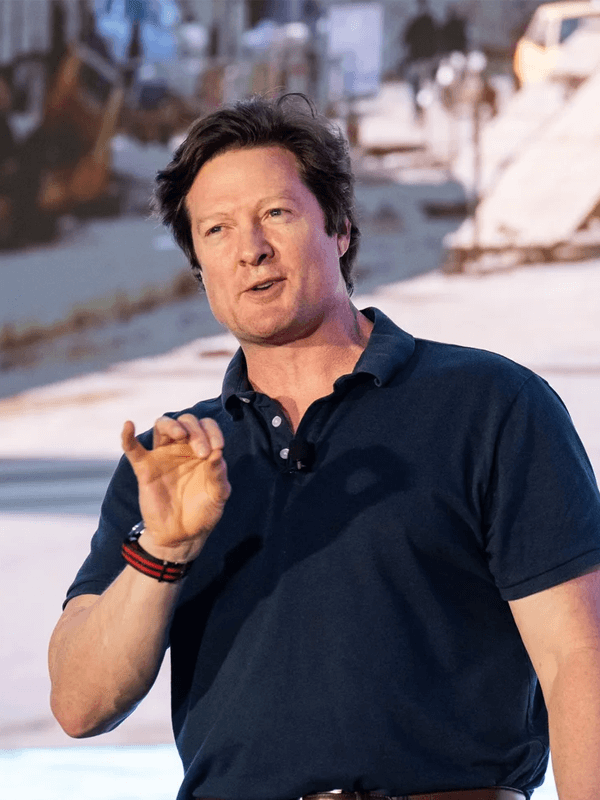
Stephen Drum
20-Year Navy SEAL, Mental Toughness & High-Stakes Performance
Fear is the central problem in sales: fear of rejection, fear of the big deal, fear of the difficult conversation. Stephen Drum spent 20 years as a Navy SEAL operating in environments where fear is not optional, it's constant, and the only choice is how to perform through it. His frameworks on mental toughness and high-stakes decision-making translate directly to the sales floor in ways that general leadership theory never does.
What makes Drum uniquely effective for SKOs is that his content isn't abstract. Sales teams respond to speakers who've operated under conditions where performance failure has real consequences. Drum has. When he describes the mental process for executing under fear, reps recognize it as something they can apply the next morning on a cold call, because the emotional mechanics are identical. The fear of a SEAL op and the fear of a $500K enterprise close feel different in magnitude, not in kind.
His customization depth is notable: he adapts the core mental toughness frameworks to your sales team's specific challenge, whether that's overcoming a losing streak, pushing through a plateau, or preparing for a particularly aggressive growth target. For sales kickoffs built around a "face fear, close anyway" theme, Drum is the most direct match on this list.
View Stephen Drum's full profile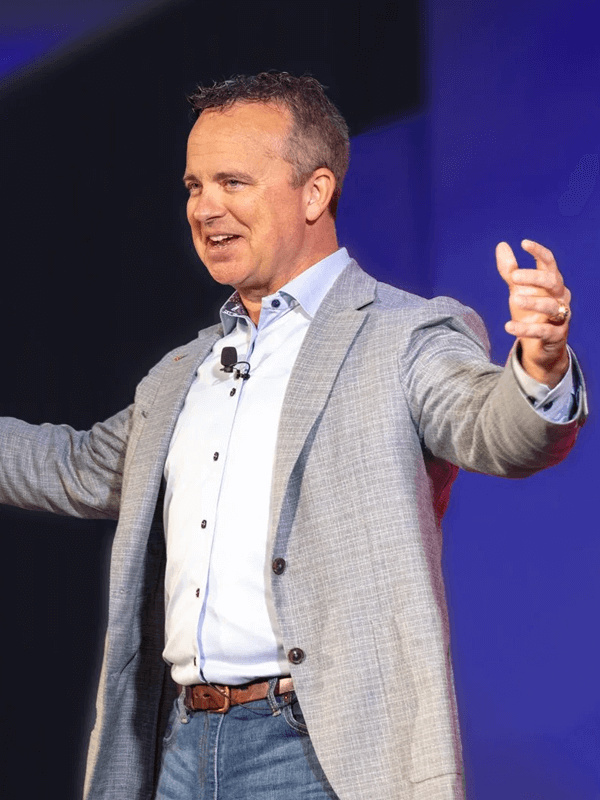
Jack Becker
Former F-18 Combat Fighter Pilot & Top Gun Instructor, Executing Under Pressure
Top Gun doesn't train pilots to be brave. It trains them to execute with precision when the variables are moving fast and the margin for error is zero. Jack Becker brings the same framework to corporate sales audiences: not courage as a personality trait, but execution as a learned process that performs under pressure regardless of how the rep feels in the moment.
For sales teams, the parallel is exact. The best closers don't close because they're fearless. They close because they have a pre-built process that runs even when their emotional state is compromised. Becker's content builds that process: how to maintain situational awareness when a deal is falling apart, how to make a clear decision when you have 60% of the information you'd prefer, and how to debrief a lost deal in a way that actually improves the next one rather than reinforcing failure patterns.
The debrief culture Becker introduces is particularly powerful for sales organizations. The military debrief is one of the highest-performing feedback tools in any discipline: brutally honest, blame-free, focused entirely on future improvement. Introducing that discipline to a sales team changes not just individual performance but how the team learns from loss cycles.
View Jack Becker's full profile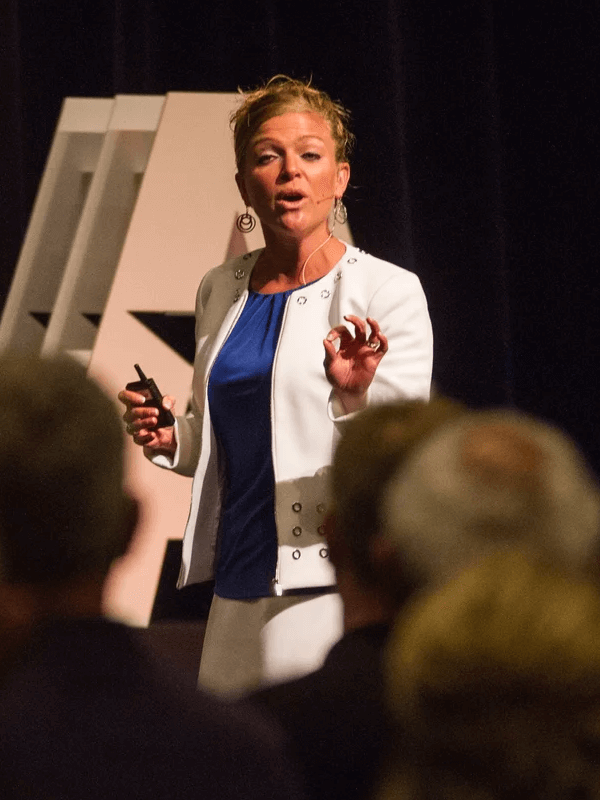
Dr. Amber Selking
Mental Performance Coach, LSU & Notre Dame Football, Championship Mindset
Sports psychology has one of the strongest evidence bases for performance under pressure of any discipline, and Dr. Amber Selking brings it directly from Division I championship programs into the corporate context. As the mental performance coach for LSU and Notre Dame Football, she works with athletes who face the same psychological mechanics as high-performing salespeople: intense scrutiny, individual accountability within a team structure, performance in front of audiences, and the need to recover quickly from failure without losing confidence.
Her championship mindset frameworks are structured and named: not general principles about staying positive, but specific mental tools with clear application protocols. For a sales team, this specificity matters: reps can't apply vague advice under pressure. They can apply a named process they practiced in a room with 300 colleagues the previous Friday.
Selking is particularly effective for SKOs where the team is navigating a losing streak, a missed quota year, or a culture that has drifted toward fixed mindset, where failure is avoided rather than processed. Her content on building a performance culture that can hold both high standards and psychological safety without collapsing one for the other is the most sophisticated treatment of that challenge on the Select Voices roster.
View Dr. Amber Selking's full profile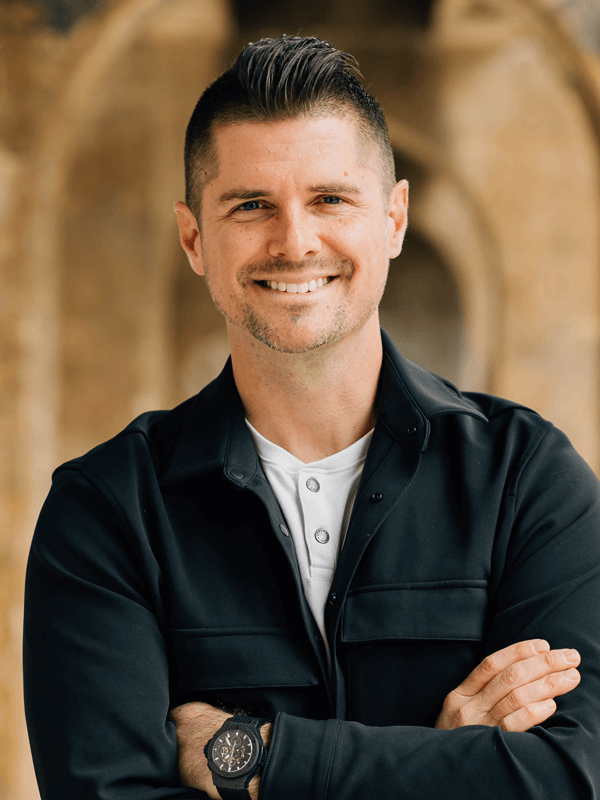
Bryce Kenny
Monster Jam World-Record Competitor, High-Performance Teams at Full Speed
Monster Jam is not a sport about bravery. It's a sport about building teams that can execute at full throttle in an environment that is constantly changing, always dangerous, and always public. Bryce Kenny's world-record performances require exactly the kind of team dynamic that high-growth sales organizations need: clear roles, rapid communication, trust under pressure, and the willingness to push through uncertainty rather than wait for more information.
What makes Kenny a strong SKO choice, particularly for younger or more energized sales cultures, is that his credibility is visceral. Sales teams don't need to be told to believe his stakes were real: they watch a 12,000-pound vehicle launch at 70 miles per hour and they understand. That earned credibility makes the frameworks he delivers land differently than content from a speaker whose high-stakes experience is harder to visualize.
His content on building high-performance teams that navigate change at full speed translates directly to sales organizations entering a year with new products, restructured territories, or aggressive growth targets. The message (that the answer to uncertainty is not slowing down but building systems that work at speed) is the right frame for an SKO entering a hard year with confidence.
View Bryce Kenny's full profile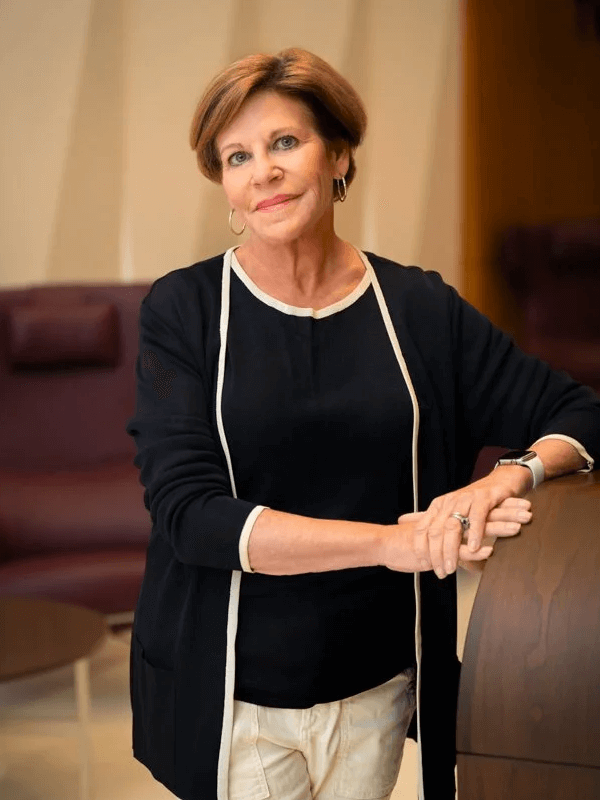
Michelle Stacy
Former President of Keurig, $200M → $2.5B Revenue Growth, Full Engagement Leadership
Most SKO speakers speak to sales reps. Michelle Stacy speaks to the leaders who run them, and the best SKOs invest in both. As the President who grew Keurig from $200M to $2.5B, Stacy has direct experience navigating the leadership challenge at the center of every sales organization's annual reset: how do you grow exponentially while keeping the team fully engaged, not just deployed?
Her Full Engagement Leadership framework addresses the question that separates high-growth sales cultures from high-pressure ones: how to build an environment where reps are running at capacity because they choose to, not because they're afraid not to. That distinction matters more than most sales leaders realize: teams motivated by fear hit their numbers until they don't, then collapse. Teams motivated by genuine engagement outperform in the fourth quarter of a hard year.
For SKOs where the audience includes VPs of Sales, Regional Directors, and front-line managers alongside individual contributors, Stacy's content is the most relevant on this list for the leadership tier. Her credibility (built on a verifiable track record of building winning revenue cultures at scale) is the kind that earns a room of skeptical senior leaders within the first ten minutes.
View Michelle Stacy's full profileHow to Match the Right Speaker to Your SKO Theme
Your SKO theme shapes which speaker type will land best. Here's a direct match guide:
| SKO Theme | The Core Challenge | Best Fit |
|---|---|---|
| "Fear Nothing" / "Push Through" | Team is hesitant, avoiding large deals, or carrying psychological weight from a missed year | Stephen Drum: fear-to-action frameworks built for exactly this |
| "Execute with Precision" | Team has talent but inconsistent execution: great reps alongside struggling ones | Jack Becker: Top Gun debrief culture and precision-under-pressure process |
| "Championship Year" | Team needs to shift from good to elite: the difference between "making it" and dominating | Dr. Amber Selking: championship mindset science from Division I programs |
| "Full Throttle" / "Accelerate" | Team is entering a high-growth phase: new products, new markets, aggressive targets | Bryce Kenny: high-performance at full speed with teams built for change |
| "Grow Different" / Leadership Tier | SKO includes managers and VPs who need a different message than ICs | Michelle Stacy: Full Engagement Leadership for leaders who need to grow culture, not just quota |
Themes and speakers don't have to match perfectly. The best SKO keynotes often reframe the theme rather than simply reinforcing it. Share your theme with us when you inquire; matching the speaker to the organizational moment matters more than matching keywords.
Questions to Ask Before Booking an SKO Speaker
Every sales kickoff speaker sounds great in a 90-second highlight reel. These questions reveal what happens when the reel is over.
"What will my rep do differently on their next cold call after your talk?" The most important question. Any speaker who answers with energy or inspiration instead of a specific behavior is describing the performance they plan to give, not the impact they intend to produce.
"Do you have references from sales organizations with teams like ours?" Specifically: same industry, similar team size, similar sales motion. A speaker who performs brilliantly for a 10-person startup SaaS team may not have the frame of reference to move a 500-person pharmaceutical sales force. Request two references and make the calls.
"How do you customize for our specific SKO theme and team situation?" Ask them to describe their discovery process. Real customization involves a pre-event call with your head of sales, advance understanding of your quota targets, and content woven through the talk that reflects your team's specific situation, not a company name dropped into slide three.
"What format and length works best for an SKO audience?" Sales kickoffs typically want 45–60 minutes of keynote content plus Q&A, with high energy and clear session structure. Some speakers are stronger in shorter, more concentrated formats. Knowing this before you book prevents a mismatch between your run-of-show and what the speaker delivers best.
"What happens if our sales leader wants to add 20 minutes to your session?" This question reveals experience and flexibility. A speaker who answers confidently with how they'd use additional time understands live events. A speaker who goes quiet is telling you something about how regimented their format is.
What Does a Sales Kickoff Keynote Speaker Cost?
The speakers on this list range from approximately $10,000 to $40,000 for in-person engagements. Total investment including domestic travel and expenses typically runs 15–25% above the base speaking fee. Virtual presentations are generally available at 50–70% of in-person rates.
SKO season (January through March) is the most competitive booking window of the year. The speakers on this list are in demand during that window. Book 6–9 months out to secure your preferred speaker at standard rates. Last-minute bookings under 90 days often face availability constraints and premium pricing for what remains open.
For a complete breakdown of what speaker fees include, what they don't, and how to budget accurately for your total investment, see the keynote speaker fees guide.
On the ROI Question
The most financially literate sales leaders I work with frame the SKO speaker investment this way: what is the incremental revenue from 10% improvement in close rate across my team? If the answer is $2M, then a $25,000 speaker who produces that shift is the highest-return line item in your budget. The speakers who can't answer what behavior change they produce make that ROI calculation impossible, which is reason enough to keep looking.
Tell Us Your SKO Theme. We'll Match You in 24 Hours.
Share your event date, team size, and the specific challenge your sales org is navigating heading into the new year. We'll identify the speaker whose framework fits your situation, with all-in pricing and references from comparable sales organizations.
Get Your SKO Speaker Match